

Sitting on my grandpa’s lap, I read him a story I wrote on my school iPad. It was set in an apocalyptic world with my last savior being a runaway spaceship.
He chuckled, surprised, yet pleased by what I was writing at only 10 years old. I watched his eyes move through each word.
I yearned for his response to be good since he was the reason I began writing at all.
My grandpa made sure that I would grow up loving science-fiction. Every story I wrote was inspired by the numerous Twilight Zone episodes I watched while sitting on his living room floor. My mom found my stories a bit strange and even concerning at times, but he loved each one. Every time we went to my grandparents house, I made sure I had something to show.
My grandpa was the first person to tell me I was a writer.
I would eavesdrop on his conversations with my mom from a different room, hearing him say “Linda, she’s pretty good” and her replying with skepticism. My writing subjects weren’t quite her style, but despite that, writing never seemed too realistic to my parents, or anyone.
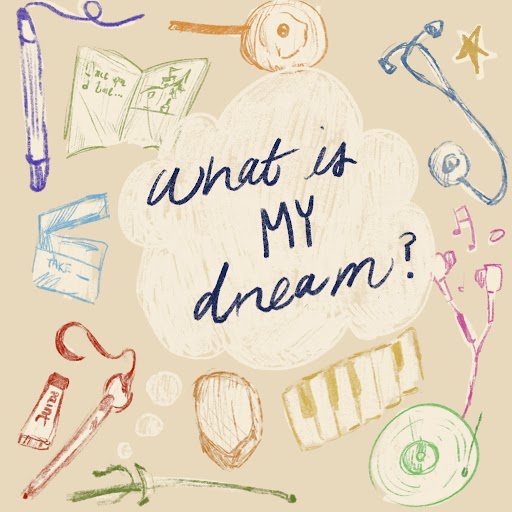
When my family asked me the basic questions, I always froze when asked “What do you want to be when you’re older?” I would answer with a new idea each time: a ballerina, a baker, a writer. No one ever took me seriously.
But my grandpa’s words were enough.
I kept writing for him and began to write with my friends at school. Instead of reading our books, my fifth grade teacher would find us hiding our iPads, typing away at a Google Doc, and building our own world with words.
Most of my once fellow writers are currently finding their futures in fields like medicine, coding, or computer science, known for their strict curriculums and high incomes.
But I see my future the same as I did in fifth grade. A future of words.
In eighth grade, I was scrolling through the different electives my high school offered when I suddenly stopped. “Introduction to Journalistic Writing.” I didn’t know writing could be more than spaceships and aliens, so this class felt like an opportunity. I could turn my words into something that mattered not only to me, but to others.
When I began to study journalism, I felt like I was inhabiting a new planet. It told the story of real people. It informed. It educated. It made a difference.
I was hooked.
No one had ever complimented my writing much, aside from my grandpa, so when teachers and friends began praising my stories, I had a whole new reason to smile. My mom’s skepticism was finally put to rest, and my confidence was skyrocketing.
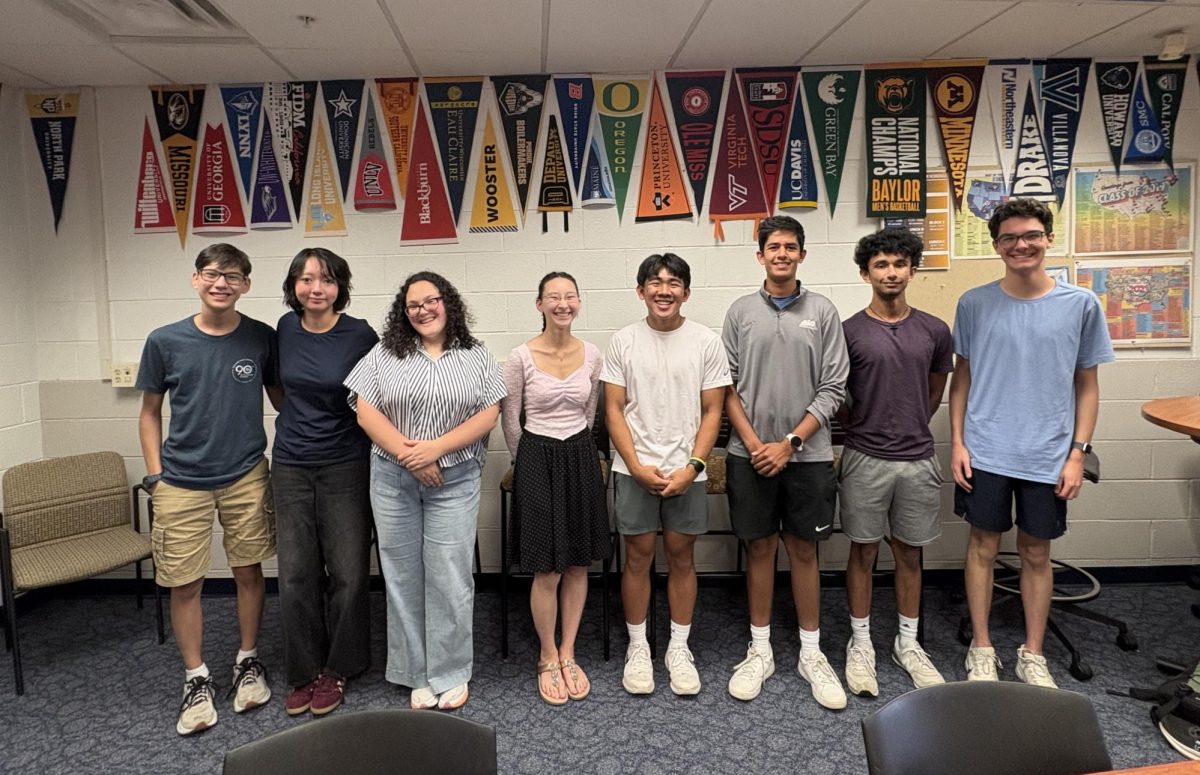
When I was invited to join The Oracle’s editorial board, I finally felt complete. A new place full of people who shared a passion with me. I was no longer an astronaut floating around alone. It reminded me of writing with my friends in fifth grade, except this time we didn’t need to hide under desks.
It took me time to adjust to the style of journalistic writing, but now I can feel its impact on me everywhere I go. I think about interview questions during regular conversations with my friends. I overanalyze The New York Times in my free time. Even though many end up on the ground, I shove copies of The Oracle into my peers arms, hoping they’ll give our stories a chance. Journalism is everywhere I look.
And I love it.
I wanted so badly to be a journalist, but it felt too new and too risky to genuinely pursue.
Aside from the usual critiques on the low income of writers, journalism has become one of the most dangerous careers in the world due to rising violence against journalists, according to the World Press Institute (WPI). The WPI explains how countries that attempt to limit free speech are more likely to harass working journalists and media sources.
While I wanted to throw myself into this new universe, I felt unsure, and was slowly drifting into space. But Ana Pereira convinced me otherwise.
Pereira is a language liaison I interviewed for a story I wrote two years ago. After it was published, I emailed her to ask for feedback. Her response gave me hope, and suddenly the sky seemed clear and the stars came out.
“Follow your dream in whatever you want to do in life. You are a great writer! Thank you for making me feel important in the school.”
I smiled. I made a difference, even if it was for one person. My writing finally made it off my grandpa’s lap. Writing isn’t easy to do, but it’s what I want to do.
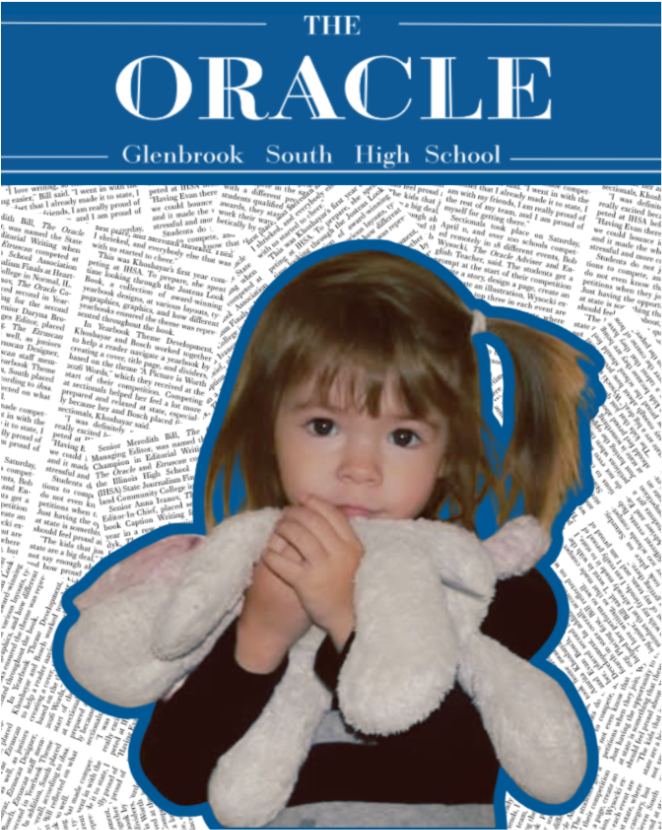
Now, I get to hand my grandpa a copy of The Oracle instead of a school iPad. I watch him flip through the pages, studying each one like it’s the back of his Twilight Zone DVDs. I lean over the paper and point to my name above a story. I watch his move through each word.
He finally looked up at me and smiled, knowing I’m still doing what I always loved. I smile back, grateful that he is always going to be the person I’m writing for.