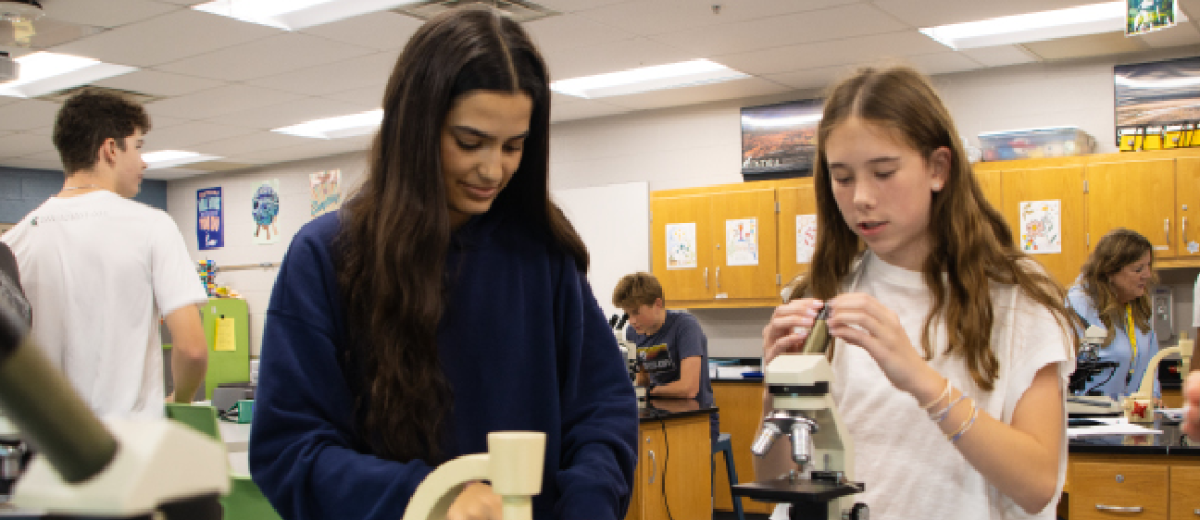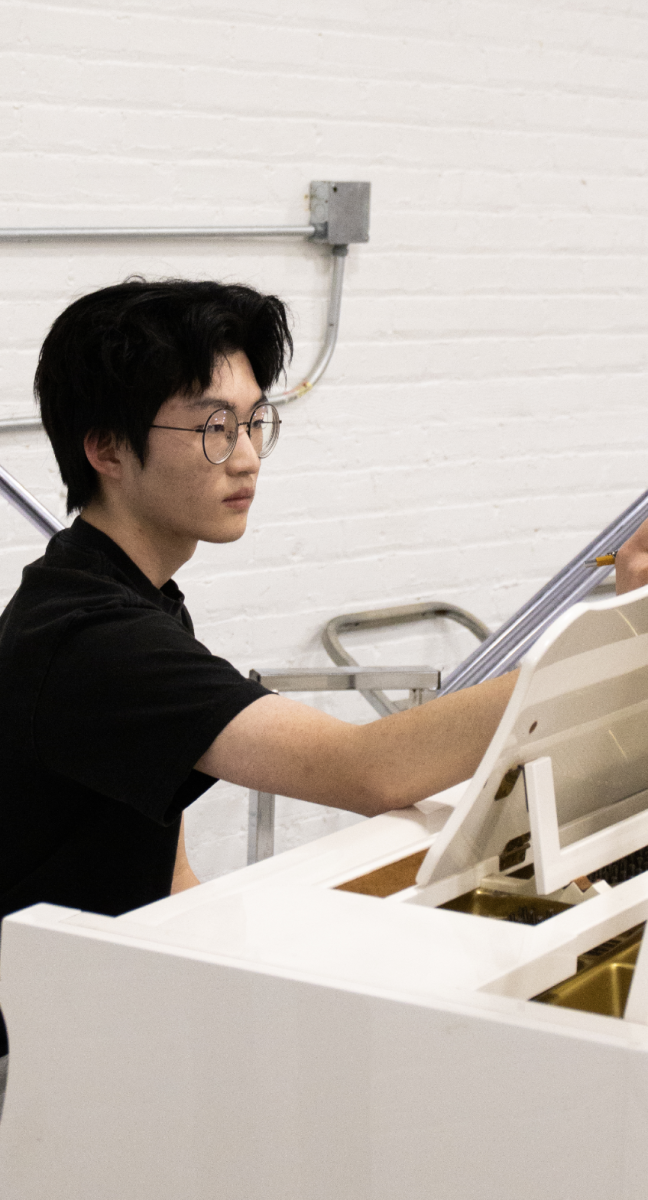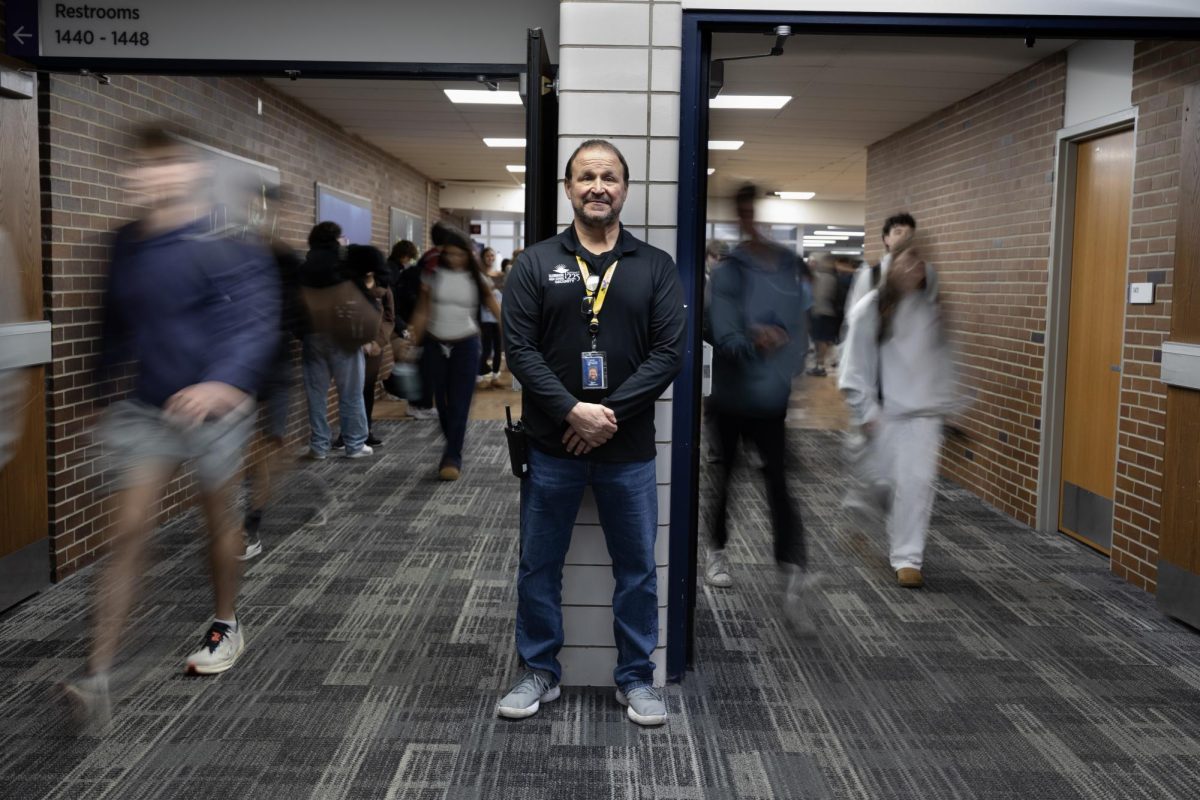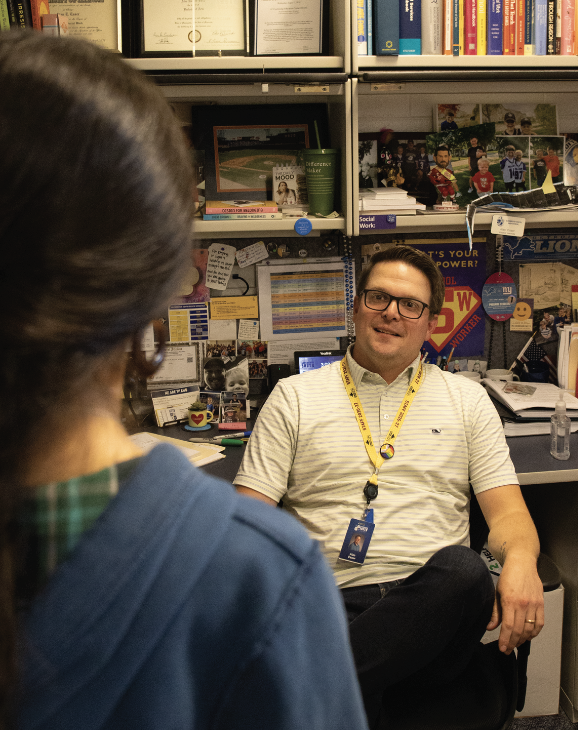


While many students spend their summers away from the classroom, students taking the U.S. History summer school course, one course of many options, shared their cultural backgrounds through a class potluck, learning about both history and each other.
This past summer, classes were at North, though it alternates annually with South, according to glenbrook225.org. The first semester of summer school went from June 8 to June 25, while the second semester went from July 6 to July 23, according to glenbrook225.org. Students attend summer school for a variety of reasons, including fulfilling graduation requirements and exploring subjects that interest them but they are unable to take during the school year, Dr. Maria Vasilopoulos, Summer School Co-Principal, said. Drivers’ Education, Art Studio, Civics, Personal Finance, Computer Aided Design, Geometry for Acceleration, and Physical Nutritional Fitness are some examples of the many classes offered, Vasilopoulos said.
“We have students that want to get to know the school or take a class that opens up their schedule the following year,” Vasilopoulos said. “We also have students that take a class because they need the credit or want to improve the grade they got during the year.”
Summer school offers a manageable summer routine while providing students with an experience that reflects the regular school year, Reggie Lara, Summer School U.S. History Teacher, said. Classes last from 8 a.m to 1:30 p.m., Monday through Thursday and this past summer, enrollment varied between the two semesters, with 734 North and South students and 76 staff in the first semester, compared to 509 students and 57 staff in the second semester, Vasilopoulos said.
For Ryan Kinsella, Summer School U.S. History Teacher, positive experiences from veteran teachers led to her decision to teach summer school.
“I feel very lucky that every class I have taught over the summer has been wonderful with students who are committed and doing their best,” Kinsella said.
With classes lasting five hours each day, keeping students engaged requires teachers to vary their daily lessons, activities, and locations, Lara said.
“One of the challenges is to make the lessons and content more interesting,” Lara said. “You have to vary what you are doing and how you are teaching it.”
Junior Cecilia Escobar completed Personal Finance, a required graduation credit, during summer school to alleviate stress from her schedule, Escobar said. The condensed course requires a significant time commitment, Escobar explained. However, taking a course over the summer was worth it and very beneficial to Escobar’s schedule, Escobar said.
“I enjoyed it, I had a good teacher,” Escobar said. “It’s beneficial to my schedule and I’m not stressed out about it.”