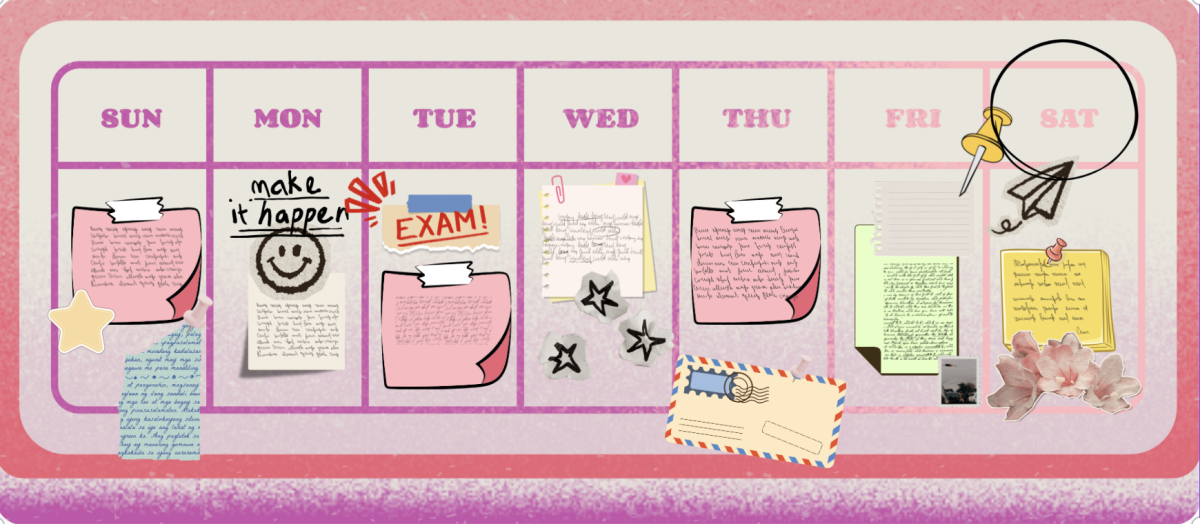

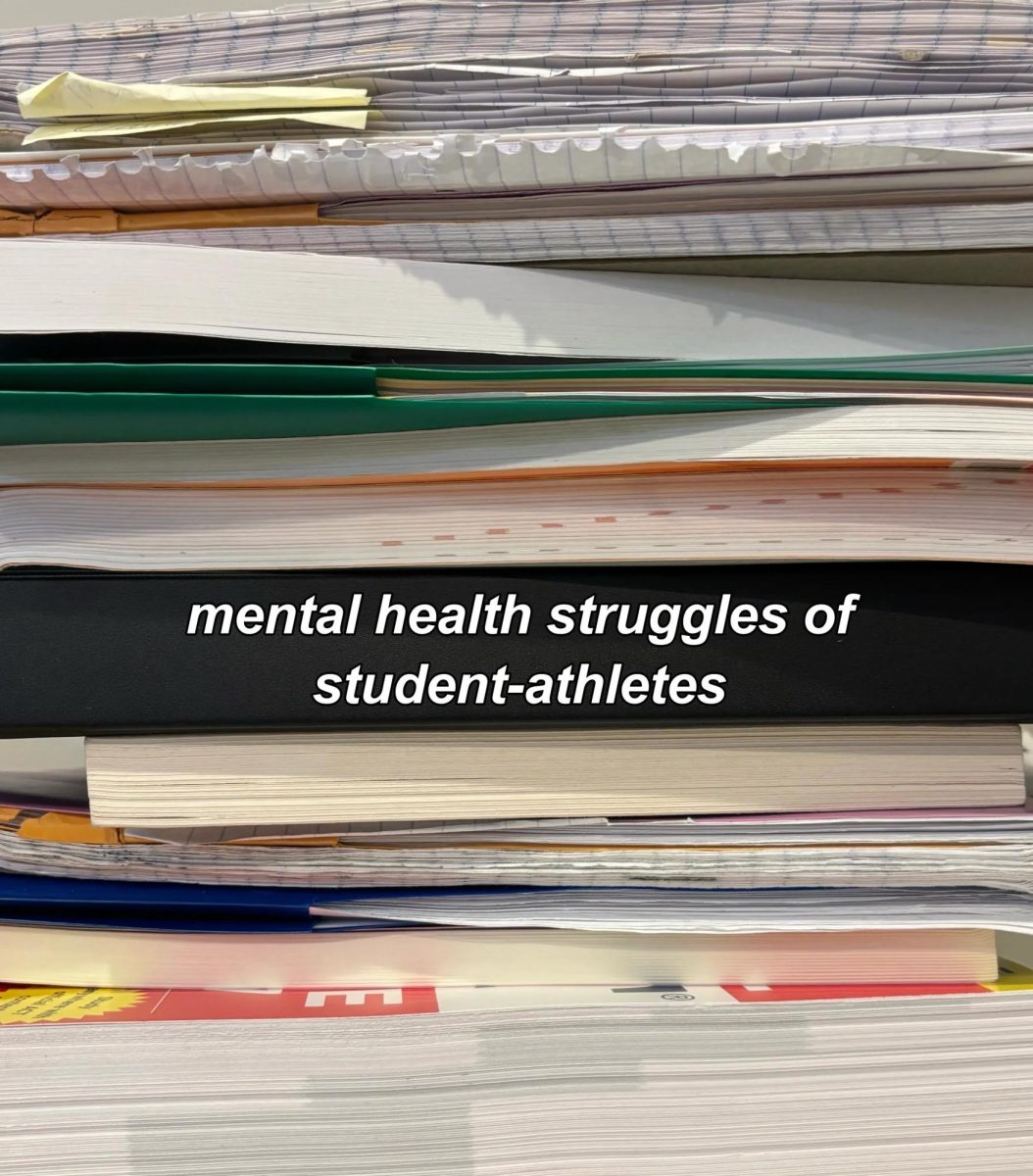
I come back home at 9:30 p.m. to an untidy room and schoolwork piled up on my desk. My to-do list sat quietly, but was a loud reminder of how I was falling behind. Soon into my sophomore year, I struggled to manage school work and athletics. As my grades and motivation started to drop, my mental health did too.
Mental health issues silently creep up on you while you are least expecting it. I never expected to find myself struggling with mental health because of my own expectations. But at one point, juggling overwhelming loads of homework and tests with extracurriculars and sports became too much for me to handle.
At the start of my sophomore year, the workload almost doubled from my freshman year. On top of that, I came home almost every night exhausted from sports practices in need of a shower and a break. Instead, I sat at my desk for hours, finally getting to my homework and studying for pop quizzes the next day. Constantly, I faced pressure to be an outstanding student while balancing that dynamic with sports. My own perfectionism started to wear me out.
This is the reality of many other high school student-athletes who are constantly working towards high academic expectations and meeting their own personal standards. A 2023 National Library of Medicine study revealed that nine in ten high school student-athletes had experienced stress due to sports. Out of these students, 80 percent experienced moderate to extreme stress, but did not receive any help from a medical professional.
When student-athletes show symptoms of mental health struggles, it is crucial for parents and coaches to look out for them. According to the same National Library of Medicine study, 50 percent of high school athletes said they would approach a friend over a coach or parent on mental health issues. This disconnect can cause adults in an athlete’s life to overlook their mental health struggles.
Something that may seem normal can be the complete opposite for the student. I was constantly feeling overwhelmed and stressed over perfection in both sports and academics, and refused to reach out to anyone. These emotions built up and I kept feeling frustrated that I was not getting the results I had expected, with taking all honors classes boosting my expectations by a lot.
It took me a while to realize that I was struggling because of how pent-up I was with my own standards. Even small mistakes or slip-ups made me feel discouraged, irritated, and anxious.
This is unfortunately too common for student-athletes, and is a wake-up call for people to start paying attention to athletes and their mental health. Johns Hopkins Medicine lists a few symptoms of mental health decline in student-athletes: procrastination, anxiety, feeling constantly on the edge, difficulty with sleep, fatigue, and additional symptoms.
Student-athletes have twice the pressure on them, especially with mental health stigma and competitiveness in sports. Making sure someone is okay is not a difficult task. Simple acts like letting them know that you are here for them matters.
Help each other, and help student-athletes realize that they have the support system they can rely on.