It was a Tuesday afternoon when my phone started frantically pinging. A text message from my cousin lit up my screen – “HOW R U FUNCTIONING RIGHT NOW?!” – with a screenshot attached.
Quickly jumping onto Instagram, it was hard to miss the post announcing Taylor Swift’s engagement: 37 million likes and counting. A few scrolls down, another post appeared; Swift reclaimed the ownership of her first six albums after almost 20 years of relentless effort, only receiving a quarter of the recognition.
Somehow, a diamond ring outshone two decades of Swift’s career.
Unfortunately, this disparity in recognition is a common occurrence for women. Society still celebrates the engagement before the accomplishment, a mere reminder that the cage of expectations imposed on women hasn’t opened as wide as we think.
Swift’s experience reflects a social phenomenon known as Tall Poppy Syndrome, according to a research project done by Women of Influence+, a group aiming at sharing and researching the success of women. This collective behavior includes others criticizing, ignoring, or belittling the achievements of successful figures. Known to affect women disproportionately, the same study from Women of Influence+ found that 87 percent of women have been excluded, discredited, or penalized due to their success or achievements.
Almost 75 percent of respondents believed that the root cause of these interactions was underlying gender stereotypes or sexism, according to the report by Women of Influence+.
Hollywood star Jennifer Aniston has not only captivated audiences in memorable roles such as Rachel Green from Friends, but also in production projects like The Morning Show, according to IMDb. Aniston has also launched her own successful line of vegan hair products, LolaVie Haircare, according to CNN
.
Instead of these achievements being acknowledged when I searched her name, the screen was flooded with a slew of articles about her boyfriend or the criticism she’s facing for prioritizing her career over motherhood. While gossip is viewed first in the public eye, there are still no mentions of Aniston’s success.
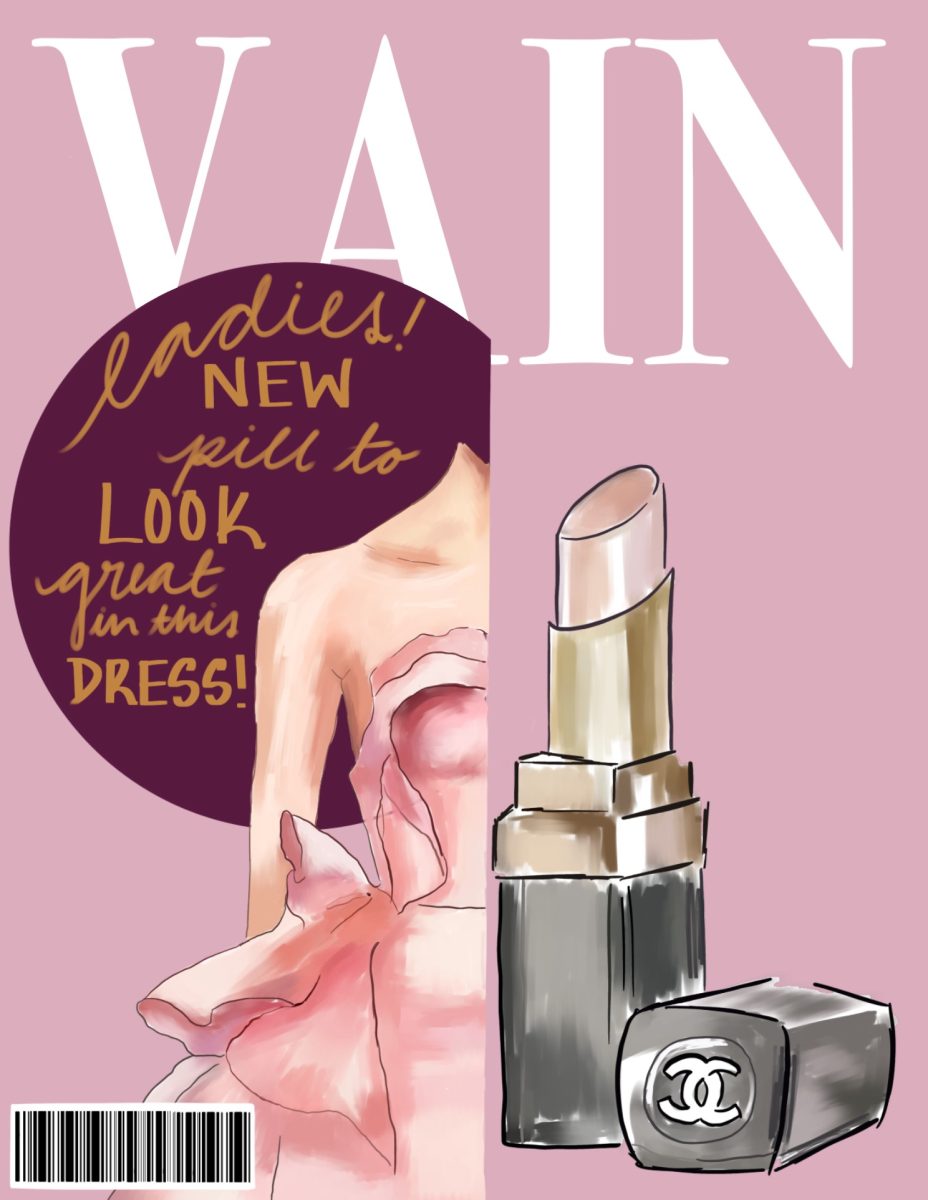
Dehumanizing measures, such as appearance, marriage, and motherhood are solely used to define women’s worth, diminishing her success to make room for the latest drama, Aniston explained in a column for the HuffPost in 2016.
If the spotlight distorts women’s worth in the music industry and Hollywood, it doesn’t spare the rest of us either. I know I can’t sit through one more awkward social event wh
ere a random “aunt” I’ve never met interrogates me about whether I have a boyfriend, moves on to examining my braids, and then asks about how my brother is doing in college. The gossip surrounding my life becomes a priority, and while these conversations are staples at family gatherings to break the ice, it seems as if nothing else matters besides my looks and love life.
While my brother gets questioned about college and praised for his achievements, my success gets overshadowed, proving the double standard society still inflicts upon women: our appearance over our achievements.
I’ve learned not to let those moments shake me, but instead they remind me of how far society has to go before women are heard before they’re seen.
It’s ironic how we claim to be living in such a “progressive” and “female-empowering” era, in which people simultaneously perpetuate the cycle of confining women’s identities to what minor imperfections they can pick out of a photo or a gem on their ring finger. For all our talk of equality, we continue to reward gossip over grit.
Progress regarding female success outside of her love life or body won’t come from new hashtags but from new habits–how we engage with the media and what we choose to celebrate. The stories we amplify become the lessons we project to the next generation, so choose the information we share on women’s achievements wisely.