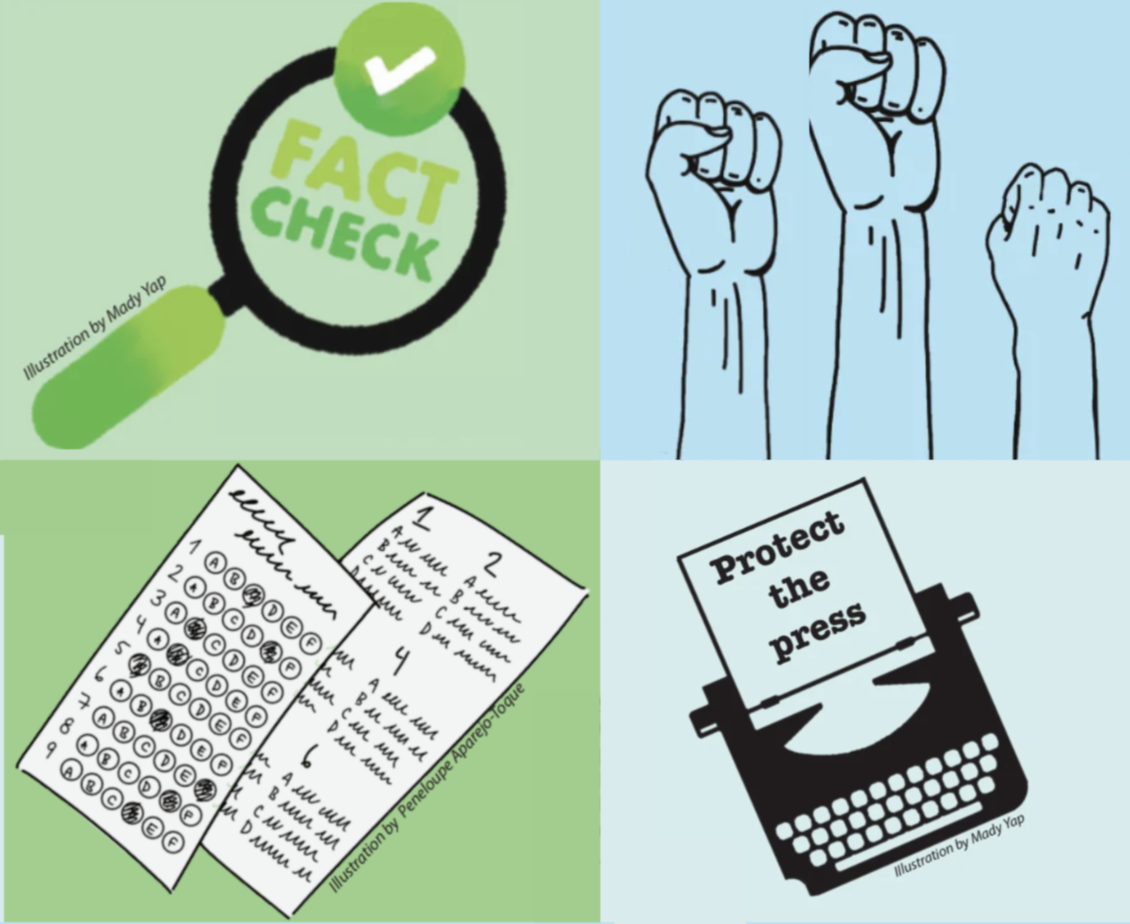


Journalism is being silenced.
In the past year alone, six newspapers in the state of Illinois have been shut down, placing Illinois sixth highest for newspaper closures in the country. We have lost 86 percent of our journalists due to defunding since 2005—the sharpest drop in the nation compared to other states—according to the Medill “State of Local News” report released last October.
These closures have a name: a news desert. A news desert is a community with limited access to credible and comprehensive news and information, and occurs when there are financial constraints in the industry, according to UNC Hussman School of Journalism and Media. Local news is crucial to connect and educate communities, allowing people to make informed decisions about issues critical to their daily lives. Without it, we have an uninformed public, declining civic engagement, wasted government resources, and deepening polarization, according to the American Journalism Project.
These deserts are spreading across Illinois: five counties have no local news source at all, and 40 counties are down to just one, Medill reported.
This crisis is more than a statistic–it is the school board vote that never gets covered, the tax increase no one notices until it is too late, the crisis next door that no one tells you about until it has spiraled out of control.
Although Illinois has been greatly impacted by news deserts, the loss of journalism extends far beyond our state. On May 1, President Donald Trump issued Executive Order 14290, titled “Ending Taxpayer Subsidization of Biased Media,” cutting federal funding for the Corporation for Public Broadcasting (CPB), a non-profit which receives most of its budget from Congress. The order described government support as “outdated” and claimed the news stations CPB covered present biased coverage, calling for both direct and indirect federal funding to be cut off. Just months later, Congress passed the Rescissions Act of 2025, which removed all federal funding for public broadcasting through 2027, according to NPR.
CPB began a wind-down of their operations Sep. 30, 2025, releasing the majority of their staff as they transition to close, and its grant and administrative functions will dissolve. This impacts stations under CPB such as National Public Radio (NPR) and the Public Broadcasting Service (PBS). Public radio stations provide local news to communities, and, on average, typically receive approximately 10 percent of their revenues from the CPB, and pay NPR for the right to broadcast its programs, according to NPR.
Since the May executive order and Congress rescission in July, CPB is shutting down. National flagship programs will continue, but many local stations are facing budget collapse, staff cuts, and studio closures. Audiences are already shrinking; many public radio stations have lost more than a quarter of their weekly listeners over the past several years, according to audience analyst Dave Sullivan.
Defunding NPR and PBS weakens local news ecosystems more than those on a national level. In many communities, especially those already facing news deserts, NPR and PBS affiliates (independent, locally owned public radio stations that pay for the rights to broadcast programming produced and distributed by NPR and PBS), are some of the last dependable sources of journalism, according to NPR. Many Illinois newspapers still exist but far fewer people subscribe or read them, turning instead to social media or national news, which may not always give an accurate representation of what’s happening within a community.
Journalism is about putting national issues into a local context and ensuring that all people have a say. Strong newspapers and broadcasts celebrate community successes, expose corruption, and keep neighbors connected.
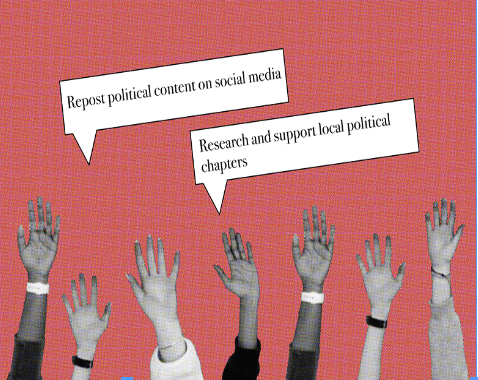
So subscribe to your local news. Share stories. Read and engage with student publications. Support nonprofit and public media. Demand the truth because everyone has a right to it.
Remember, public local stations survive on hundreds of small donors, not just a few big ones. Even The Oracle relies on readership and participation. The difference between a silent community and an informed one isn’t luck, it’s us.