



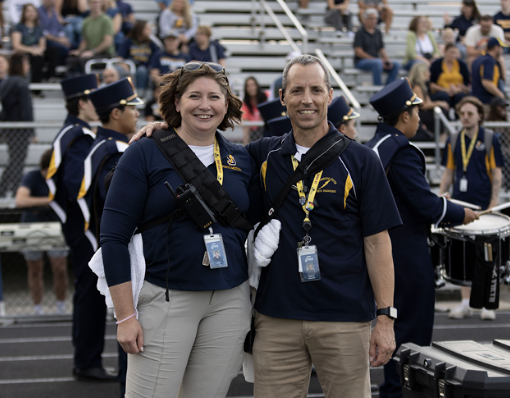
From taping ankles to helping athletes through months of rehabilitation, athletic trainers play an important role in keeping South’s athletes healthy.
Athletic trainers work in injury prevention, evaluation, and emergency care, combining knowledge from various areas of sports medicine, Megan Shipp, Assistant Athletic Trainer, said. Their responsibilities include maintaining emergency equipment and evaluating injuries to determine what treatment an athlete needs, Shipp said. There is at least one athletic trainer at every single sporting event, Shipp said.
“Athletic trainers are a jack of all trades, but a master of none,” Shipp said. “We handle injuries when they happen, but we try to prevent them as much as possible.”
When an athlete is injured, trainers evaluate the injury and determine if it can be treated in the athletic training room or requires additional medical attention, Shipp said. Trainers may refer athletes to physicians for imaging or further evaluation before starting rehabilitation, she said.
“We look at the sports specific actions that that athlete would need to do and make sure that they are functional to return to their sport at the level that they were at prior to their injury,” Shipp said.
Beyond just treating injuries, athletic trainers also become a source of support for athletes outside of rehabilitation, Tim Mizdrak, Assistant Athletic Trainer, said. Spending time with students allows trainers to build relationships and support them through both athletic and personal challenges, he said.
“My favorite part of being an athletic trainer is interacting with the kids every single day,” Mizdrak said. “There is always something new. We could be having funny conversations, or difficult conversations about life.”
Rehabilitation can take weeks or even months, Shipp said. After working with athletes through difficult recoveries, trainers get to witness the progress they have made when they are finally able to return to their sport, she said.
“The best part of being an athletic trainer is getting to see athletes return to the field after particularly long injury recoveries,” Shipp said. “That is totally what keeps us going.”