
South and North are renovating John Davis and William Lutz Stadium, with construction projected to begin in the spring of 2027 and to be completed in August, 2027, Dr. Kimberly Ptak, Director of Operations and Purchasing, said.
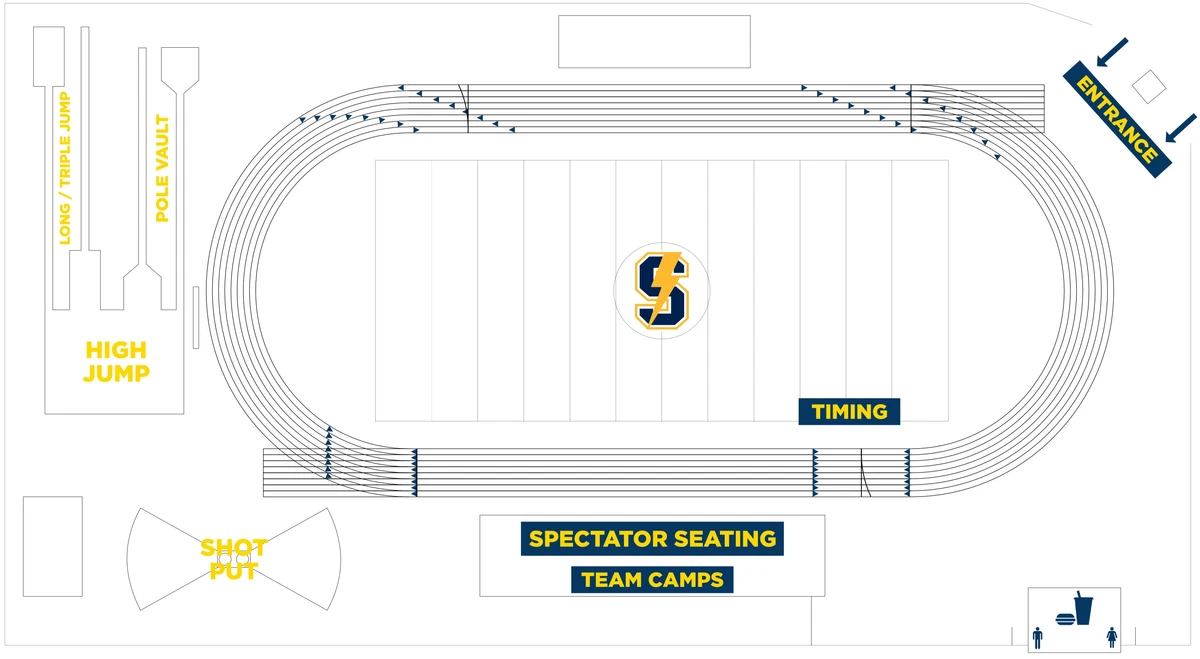
Both schools are looking to expand bleacher capacity, replace the turf field and track, and add additional restroom facilities, which will serve both the stadium and nearby outdoor athletic fields, Ptak said. Renovation costs are still under review, Ptak said.
“The space beneath the bleachers will be used for storage, team rooms, and athletic training areas,” Ptak said. “Students will benefit from improved athletic facilities and expanded field access.”
The stadium renovation began after District 225 recognized that the bleacher design no longer supported the needs of South community members, Superintendent Dr. RJ Gravel said.
“Each of our stadiums is unique to its school community, but both are approaching the end of their useful life,” Gravel said. “The current bleacher design does not adequately serve students, parents, or community members with disabilities and includes features that no longer align with modern expectations.”
The district also plans to convert the current grass fields to turf in the summer of 2028 in a later construction project, allowing the fields to be used more frequently for a variety of sports, Ptak said. This renovation will help sports practices and games become more flexible with weather changes, Ptak added.
“The project is intended to improve the student experience by enhancing the quality and availability of playing and practice surfaces,” Ptak said.
Although the renovation will significantly impact stadium facilities for students during the construction period, finding alternate options for temporary usage are currently being worked on, Gravel said.
“Because this project involves renovation of a significant portion of the campus, access to certain facilities will be affected in April, May, and throughout the summer of 2027,” Gravel said. “We are coordinating with local park districts and neighboring high schools to ensure adequate field space throughout each season.”