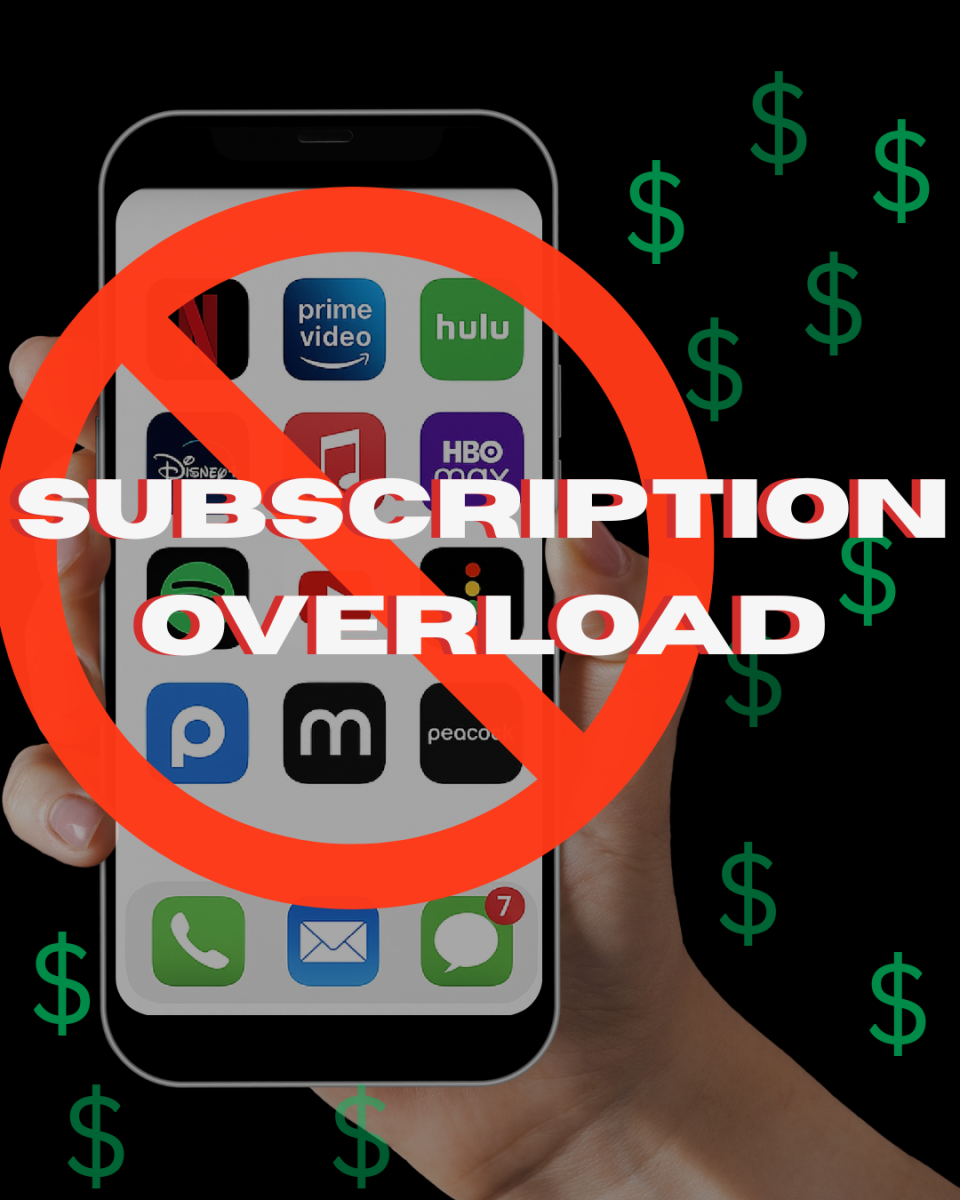
The other day as I was scrolling through the endless apps on my phone, it hit me. I’m logged into more subscription services than I can even remember using. I’m on my family’s shared accounts like Netflix, Disney+, Spotify, Peacock, HBO Max, Hulu, and probably many others I have forgotten about. Although having access to a variety of streaming platforms may sound convenient, it creates a large digital clutter and unnecessary expenses that start to feel overwhelming.
It turns out that I am not alone. Most Americans are spending money on subscriptions without realizing it. A 2024 study conducted by C+R Research found that people think they spend about $111 monthly on subscriptions, when in reality the average is closer to $273. That blind spot adds up to about $3,200 quietly disappearing from the average household each year.
This growing gap between what people think they’re paying for and what they actually ate is not incidental. Streaming companies know exactly what they’re doing. They make it extremely easy to sign up and stay subscribed, but hard to remember what you’re subscribed to.
The result is a digital graveyard of half-used services. According to a 2023 survey conducted by CivicScience, about 62 percent of streaming consumers say they feel subscription fatigue, meaning they feel overwhelmed by the number of services available to them.
This broader trend shows up in my own routine as well. I’ll sit down to watch something, and instead of easily picking a show, I spend several minutes trying to remember which streaming platform it’s on. I spend so long searching between services that sometimes I end up not watching anything at all. What’s the point of having every option if it leaves you too tired to enjoy them?
With so many platforms fighting for attention, companies seem more focused on keeping people subscribed than on offering a smooth, stress free experience. Many of the subscriptions I’m on started because there was one specific show I wanted to watch that wasn’t available anywhere else. After I finished it, I kept the subscription and eventually forgot about it, even though I no longer used the platform.
Because of this, I’ve recently started paying closer attention to which services I actually use and which ones I barely touch.
Even though I am not the one footing the bill, I have talked with my family about cutting some of the platforms we don’t really need. The result is less digital clutter, fewer charges, and fewer decisions to make every time I want to sit down and watch something.
The answer may not be having access to everything, but choosing what is most important. As more people report subscription fatigue, it is clear that simplicity is becoming something worth aiming for.
In my house, fewer apps is the best place to start.