

Every morning, millions of women and children wake up knowing their first task of the day will take hours—walking miles to collect water for their families, senior Phillip Yong, Water 1st Co-President, said. They trek to distant rivers and streams, carrying back heavy jugs of often unsanitary water, Yong said. At South, Water 1st is working to change that reality, Yong said.
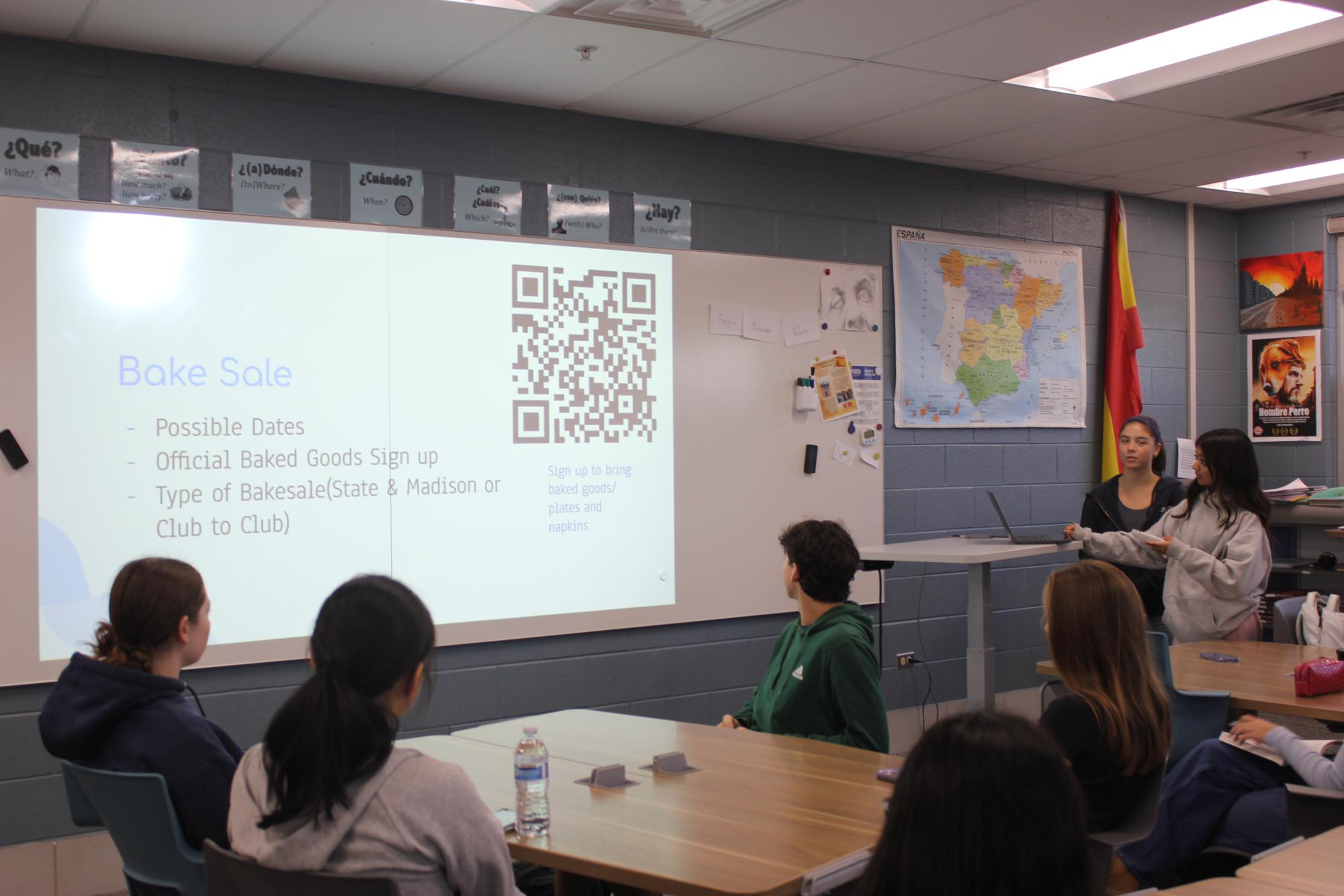
Water 1st is a chapter of a global non-profit organization called Water 1st International, which provides sustainable water systems in underdeveloped countries, Yong said. Each year, South’s club focuses on a specific country, learning about its water challenges, and donating directly to Water 1st International’s projects in that country, Yong said. Presidents of the club receive information and training through webinars and materials from the main organization, which they then share with members during biweekly meetings on Thursdays before school, Yong said. During these meetings, members share updates from the organization and plan local fundraisers, senior Aseret Ortega Howe, board member, said.
The club also helps students understand how closely gender inequality is tied to the global water crisis, Yong said. In many underprivileged households, men work to provide food while women and girls travel long distances to collect water, regardless of their age or health, Yong said. Learning about these daily struggles gives members perspective on how limited access to water creates barriers to employment and education, Ortega Howe said.
“Instead of having women and children spending their days getting water, Water 1st helps them cultivate their own lives because the [water] wells are just steps away from their house,” Ortega Howe said.
Fundraising is a central part of Water 1st’s mission, along with spreading awareness about the global water crisis, Ortega Howe said. By informing more people about the issue, the club hopes to spark meaningful action.
“Helping internationally [can] sometimes [feel like] an unattainable goal,” Howe said. “But trying to help little by little through smaller fundraisers and awareness tables is still a huge step.”
The club’s biggest fundraiser is Walk for Water, organized jointly by North and South’s Water 1st chapters, simulating the daily journey many people in marginalized communities take to collect water, Ortega Howe said. The last Walk for Water took place in May 2023 in Gallery Park, with participants walking three miles while Water 1st members sold lemonade, handed out t-shirts, and donated all proceeds to Water 1st International, Ortega Howe said. The club hopes to bring it back this year, Ortega Howe said.
“Everyone [has] a jug of water and walks with [it] to feel what it is [like] for the women and children [who do this] every single day,” Ortega Howe said.
Learning about the global crisis has prompted members to reflect on the basic necessities they often take for granted, Ortega Howe said. Unlike other service clubs that focus locally, Water 1st aims to make an impact beyond their immediate community, Ortega Howe said.
“[Water 1st] really broadened my perspective,” Ortega Howe said. “I was unaware of what was happening concerning the water crisis and how privileged our community is to have direct fresh water access. To provide [others] with easier access for water is one step towards creating a better future for them and our planet.”